
Infrastructure Capabilities
Defence Aviation Fuel Construction
Nacap in joint venture with our sister company Nova delivers specialist Defence aviation fuel construction and infrastructure projects across Australia, bringing extensive experience in complex aviation fuel storage, distribution and facility construction.
Our capability supports the construction and new and upgrade of critical aviation fuel infrastructure within the Defence airfields, where safety, quality, security and compliance are fundamental to successful project delivery.
With proven experience delivering complex infrastructure across operational, regional and remote environments, Nova Nacap JV combines specialist construction expertise with rigorous project management, quality, environmental and safety systems to meet the unique requirements of Defence aviation fuel projects.
Defence Aviation Fuel Construction Expertise
Bulk Fuel Storage Infrastructure
Construction of aviation bulk fuel storage cut and cover tanks, transfer and distribution systems.
Aviation Fuel Piping and Pipeline Construction
Construction of specialist pipeline and piping infrastructure supporting the safe and reliable transfer of aviation fuel across airfield facilities and associated infrastructure.
Brownfield Infrastructure Upgrades
Delivery of upgrades and new infrastructure within existing and operational environments, requiring careful planning, staging and coordination.
Apron, Hanger, Civil & Associated Infrastructure
Delivery of apron, Hanger, civil works and supporting infrastructure required for defence airfields, including earthworks, access, drainage and associated site works.
Complex & Operational Environments
Experienced project delivery within constrained and operational environments where safety, security, stakeholder coordination and continuity of operations are critical.
Quality & Compliance
Robust quality management, documentation and construction controls supporting the stringent requirements associated for critical aviation fuel infrastructure.
End-to-End Project Delivery
Nacap provides flexible delivery models for complex Defence aviation fuel and associated infrastructure projects. From early contractor involvement and constructability planning through to construction and commissioning support, our teams work collaboratively with clients and project stakeholders to manage risk, develop practical construction methodologies and achieve safe, high-quality project outcomes.
Engineering, Procurement and Construction (EPC)
Integrated project delivery encompassing engineering coordination, procurement, construction and commissioning support.
Design and Construct (D&C)
Collaborative design and construction delivery focused on constructability, efficiency, compliance and practical project outcomes.
Construct-Only Delivery
Specialist construction services delivered to client-provided designs and specifications, supported by experienced project management and field delivery teams.
Early Contractor Involvement (ECI)
Early engagement to support constructability reviews, methodology development, staging, program optimisation, cost planning and project risk identification.
Defence aviation fuel construction capabilities
- Bulk aviation Fuel storage cut and cover tanks
- Aviation fuel piping and distribution pipeline
- Fuel transfer infrastructure
- New-build and brownfield infrastructure
- Operational facility upgrades
- Apron and Hanger facility
- Associated civil and earthworks
- Stringent Quality assurance and documentation
- Environmental and safety management
- Testing and commissioning support
- Stakeholder and interface coordination
Tindal Jet Fuel Storage Tanks
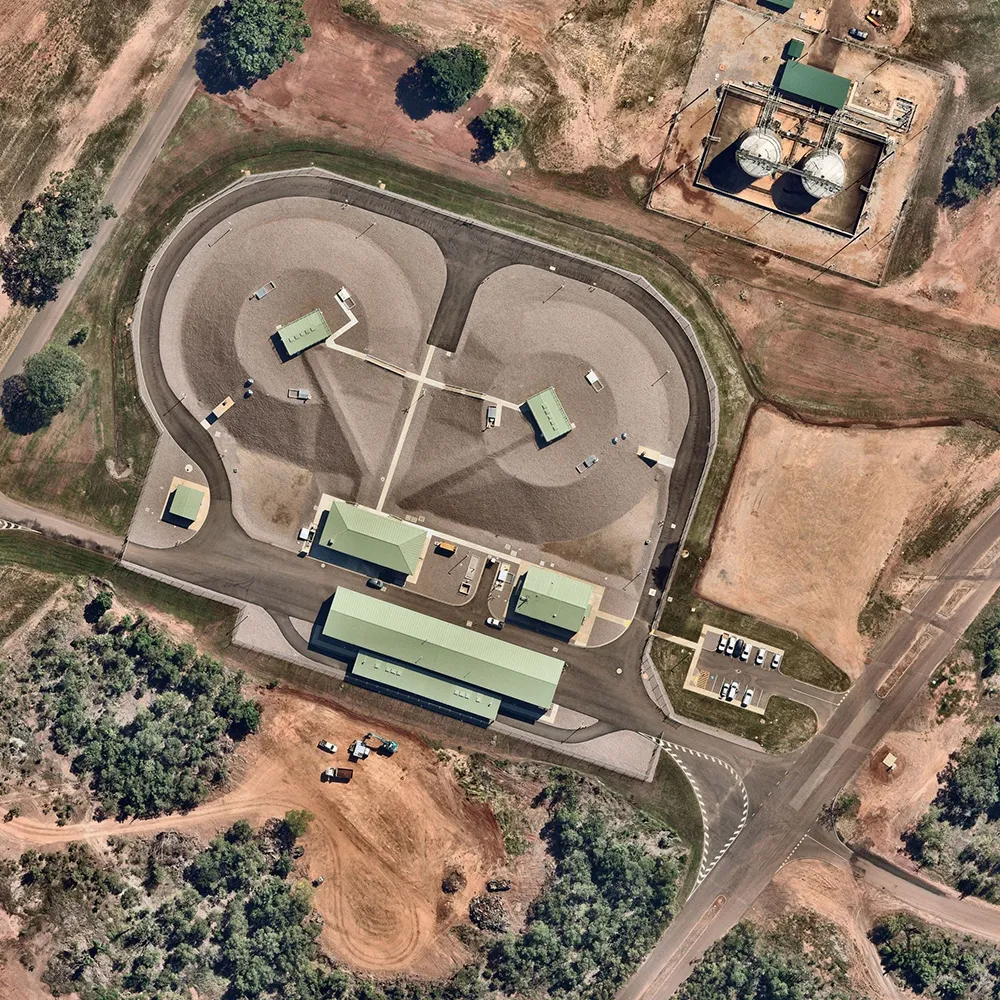
Construction of two cut-and-cover 4 million litre bulk jet fuel storage tanks, aircraft fuel truck fill stand, fuel unloading stand, pump houses, filter building, and associated roadways at RAAF Base Tindal, Northern Territory.
Darwin Jet Fuel Storage Tanks
Construction of two cut-and-cover 8 million litre bulk jet fuel storage tanks, aircraft fuel truck fill stand, connections to existing fuel farms and ancillary services, pump houses, filter building, laboratory, and associated roadways at RAAF Base Darwin, Northern Territory.
Frequently Asked Questions About Defence Aviation Fuel Construction
Defence aviation fuel construction involves the delivery, upgrade and integration of infrastructure used to safely store, transfer and distribute aviation fuel within Defence facilities. This can include fuel pipelines, storage infrastructure, transfer systems and associated civil works.
Aviation fuel facilities can incorporate pipeline networks, bulk fuel storage, transfer and distribution infrastructure, associated civil works and supporting systems. The exact infrastructure requirements depend on the facility, operational requirements and project scope.
Defence aviation fuel projects can involve stringent safety, quality, security and compliance requirements, as well as construction within existing operational environments. Careful staging, stakeholder coordination, interface management and detailed construction planning are therefore critical.
Yes. Brownfield aviation fuel projects can involve upgrades, replacement or integration of infrastructure within existing facilities. These projects require careful planning and staging to manage construction interfaces and minimise disruption to ongoing operations.
Track record relevant experience including cut and cover bulk storage tanks, apron construction, hanger construction, complex piping and pipeline, SCADA and controls system, brownfield works, track record delivery within constrained or operational environments. Strong project management, safety and environmental systems are also essential.
Demonstrated experience in aviation fuel bulk storage cut and cover infrastructure, brownfield and SIMOPS experience, track record safety and quality performance, financial capacity, compliance systems and the ability to deliver complex projects within controlled and operational environments. Strong project governance, documentation, stakeholder coordination and a proven capacity to manage critical infrastructure.